When you walk through the supermarket, it’s easy to take the rows of fresh produce for granted. But behind those stacked shelves is a complex and fragile system that works tirelessly to bring food from the farm to your plate.
In recent years, we’ve noticed more and more empty shelves or sudden price hikes on everyday produce such as tomatoes, cucumbers and salad greens. These aren’t just minor inconveniences, it’s a warning sign of a much bigger challenge facing the UK: food security.
What is food security?
At its core, food security means that everyone has reliable access to affordable, safe and nutritious food. It relies on three main pillars:
- Availability: Is there enough food being produced?
- Access: Can people afford it, and is it easy to obtain?
- Resilience: Can our food supply withstand sudden shocks, like extreme weather or global conflicts?
Currently, the UK imports nearly half its food. Relying so heavily on global supply chains leaves us vulnerable to international disruptions, climate disasters abroad, and volatile shipping costs.
Why we need to prioritise UK farming
To build a resilient food system, we must look closer to home. Prioritising British farming isn’t just about supporting local businesses, it’s also about self reliance and environmental survival.
1. Shrinking our carbon footprint
Importing food from abroad generates massive amounts of carbon emissions. By growing our food locally we cut out thousands of “food miles” required to ship produce across borders.
2. Protecting ourselves from global shocks
When we rely on other countries for our basic nutrition, we inherit their risks. Investing in our own growers ensures that whatever happens internationally doesn’t impact the stable and secure pipeline of fresh food in the UK.
3. Solving the winter energy puzzle
Historically, growing fresh produce in the UK during the winter months has been incredibly tough. Heating and Lighting massive industrial greenhouses requires a large amount of energy. With energy priced spiking, many British growers have been forced to reduce yields over winter.
Where the Green Light Project comes in
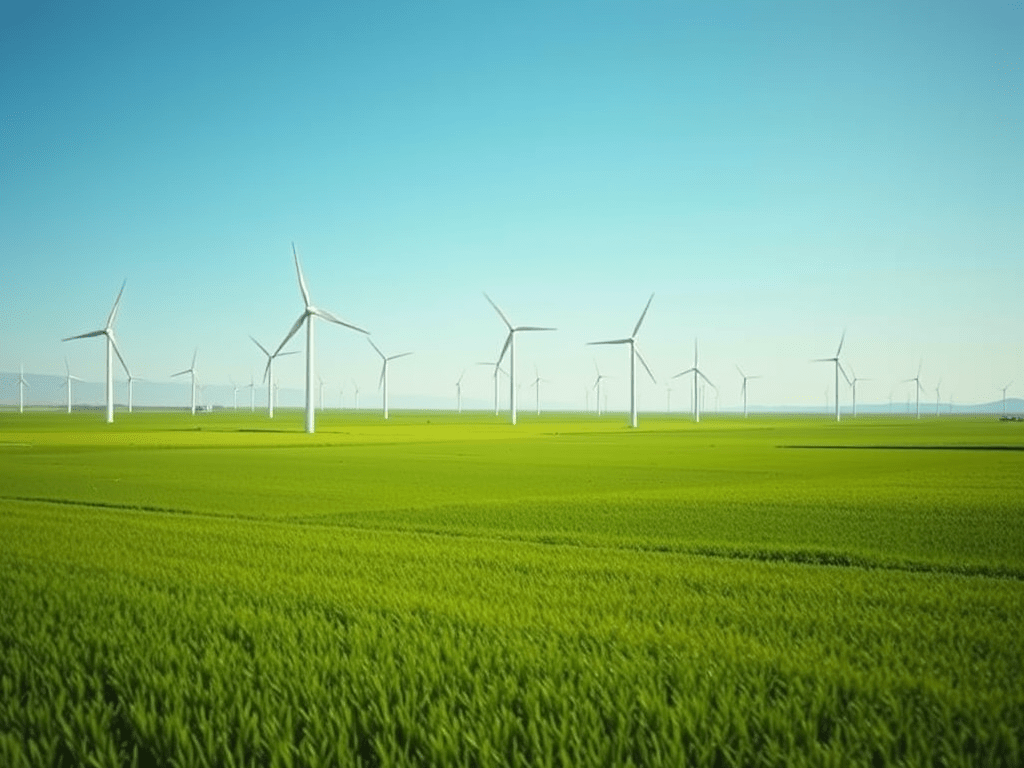
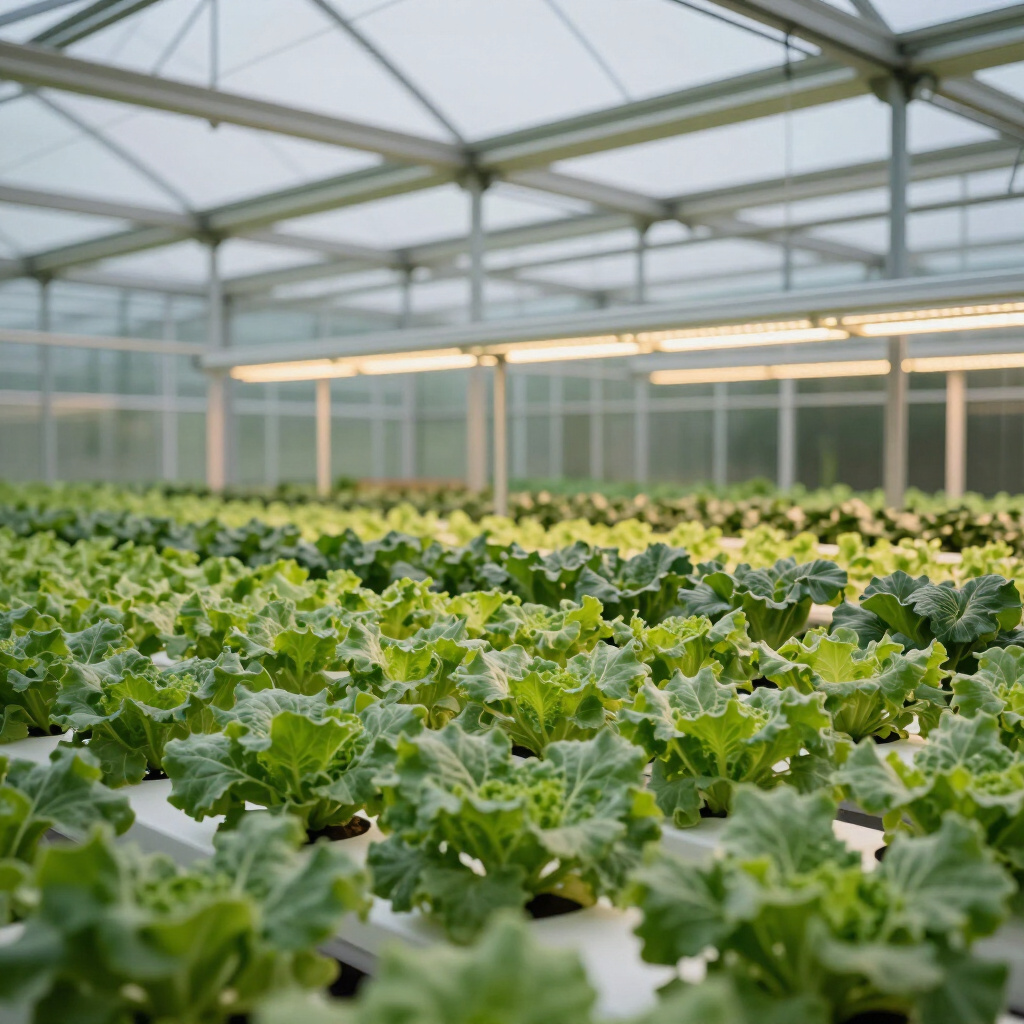
In 2025 alone, the UK spent an estimated £500 million turning off wind turbines because our national grid couldn’t handle or distribute the excess clean energy? The mission at the Green Light Project is to take advantage of this massive missed opportunity, bridging this gap by trialling a demand-side response (DSR). By channelling the surplus, off-peak renewable energy into commercial greenhouses to power heating and lighting systems, we can help UK growers produce fresh and local food all year round.
Food security and the transition to Net Zero do not have to be at odds. By marrying smart, green energy solutions with our brilliant agricultural sector, we can feed the nation, support our rural economies, and protect the planet.
The future of food is local, sustainable, and powered by British wind and sun. Let’s give UK farming the green light!
 The Green Light Project
Leave a comment